

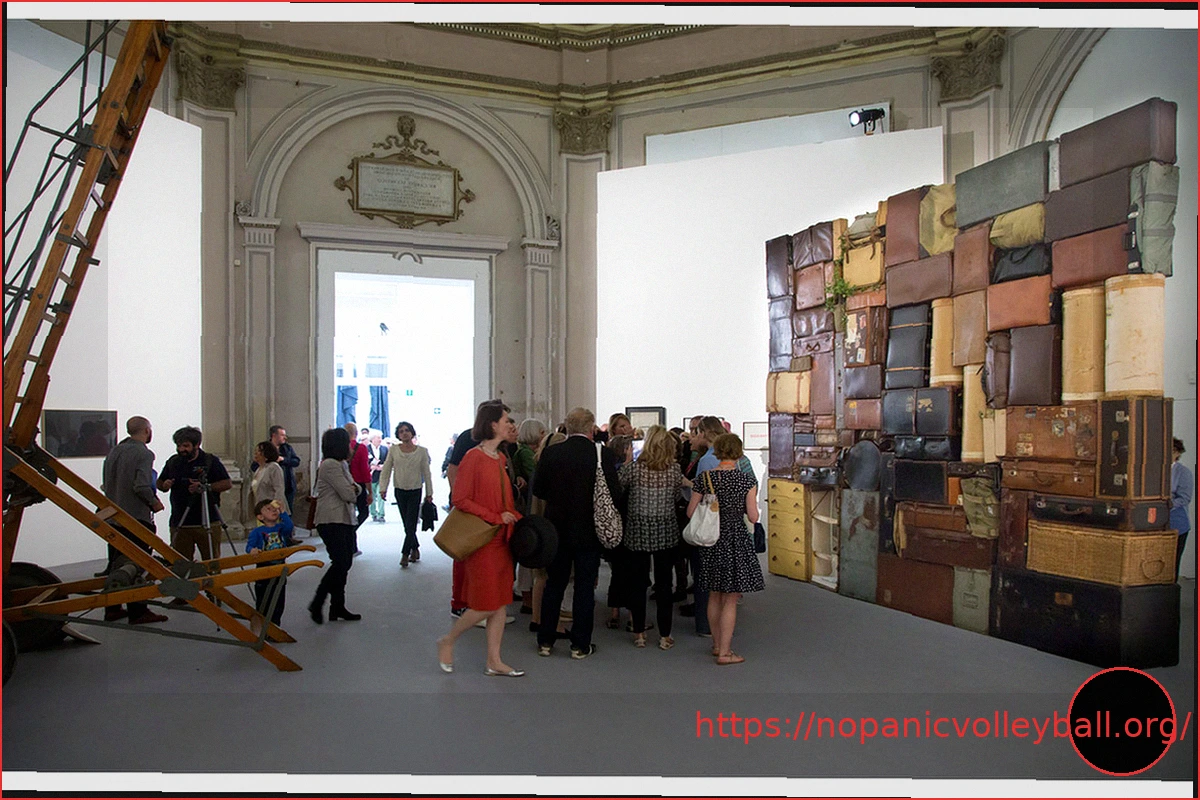
The Ethiopia Pavilion at the 61st International Art Exhibition – La Biennale di Venezia, proudly presents “Shapes of Silence.” This solo exhibition by Tegene Kunbi (born 1980, Addis Ababa), curated by Abebaw Ayalew, will be hosted in the prestigious Palazzo Bollani and open to the public from May 9 to November 22, 2026.
Representing the culmination of thirty years of Kunbi’s artistic journey, “Shapes of Silence” deeply explores the concept of silence as a multifaceted social and political condition. Through a compelling new series of works, the exhibition thoughtfully integrates abstraction, textiles, and assemblage. Kunbi approaches painting as a layered material archive, delving into silence not merely as an absence but as a potent, charged space shaped by cultural expectations and historical narratives.
In Ethiopian traditions, silence as a social practice is often rooted in the nation’s rich folk heritage, presenting an ambivalent and paradoxical status. While widely praised as a virtue—encapsulated by the proverb “Silence is golden” (ዝምታ ወርቅ ነው), signifying wisdom and moderation—this appreciation is often tempered by caution. Other common expressions warn against the pitfalls of unspoken issues, such as “He who does not name his ailment finds no cure” (በሽታውን ያልተናገረ መድሀኒት የለውም), or the risk of missed opportunities: “By remaining silent, one risks exclusion from opportunities” (ካለመናገር ደጅ አዝማችነት ይቀራል).
Thus, silence emerges as more than a simple void; it is a complex space of moderation, tension, and ethical negotiation. This space is also inherently political, given the unequal distribution of the right to speak and interpret along deeply embedded social and political lines: men often dominating over women, the center over the periphery, and the sacred over the ordinary. For those on the disadvantaged side, deprived of discursive authority, silence becomes a contentious political state.
In Tegene Kunbi’s art, this political dimension is vividly expressed through his deliberate choice of materials. His artistic process intentionally brings these societal asymmetries into the pictorial realm. His paintings meticulously combine fabrics of sharply contrasting origins and symbolic meanings: hand-woven textiles created by his mother are placed alongside industrial fabrics produced for African markets; sacred garments used in religious ceremonies appear next to everyday materials typically used for mattress production.
Drawing inspiration from Ethiopia’s profound cultural diversity, Kunbi also integrates textile traditions from various regions, where clothing and costumes have historically served as markers of cultural and political autonomy. He skillfully unifies these distinct practices within a shared visual framework. Each chosen material carries specific stories of dedication, beliefs, and political stance. When these elements are assembled onto the painting’s surface, their original categories fragment, transforming the artwork into a dynamic space where socially and culturally diverse materials coexist and engage in new forms of negotiation.
These insightful reflections on silence as a hierarchical and political condition extend beyond the canvas, permeating the very practice of exhibition itself. Within conventional exhibition spaces, artworks are frequently contextualized by explanatory texts, labels, captions, and curatorial narratives that assert interpretive authority. This reliance on language often speaks for the artwork, effectively silencing its visual and multimodal aspects and reinforcing a hierarchy where the written word becomes the primary mechanism for meaning-making.
Within this intricate context, Kunbi leverages painting as a powerful platform to both enact and simultaneously destabilize these established regimes of silence. His works consciously reject the notion of painting as a passive or purely visual medium. Instead, painting functions as a stratified archive—a repository of engagement, memory, and history. Operating in a subdued mode, his art allows silence to acquire material form, with meaning emerging through duration, proximity, and tangible presence, rather than through explicit textual explanation.
“Shapes of Silence” marks Ethiopia’s second presence at the Venice Biennale, following its debut in 2024. This participation underscores the nation’s sustained commitment to fostering contemporary art and promoting international cultural dialogue.
The Ethiopia Pavilion is scheduled for inauguration during the preview days of the 61st International Art Exhibition – La Biennale di Venezia (May 6, 7, and 8, 2026). It will be open to the general public from Saturday, May 9, to Sunday, November 22, 2026.