Champions League Draw: Bellinazzo Explains Why Progression is Crucial for Napoli
Marco Bellinazzo, a journalist for Il Sole 24 Ore, discussed Rafael Leão's potential transfer to Galatasaray and its implications for Napoli's transfer market. He also emphasized the financial importance of advancing in the Champions League.
Bellinazzo commented on the Leão-Galatasaray situation, highlighting the competitive disparity in Europe with Turkish clubs. These clubs can offer high salaries due to tax advantages and a less stringent approach to financial regulations by the Turkish federation. Italian clubs often find Turkey to be a "repair market" for players who are no longer considered top-tier by Premier League clubs. Bellinazzo believes Milan made a good deal with Leão, given that the player has historically promised more than he has delivered. He considers this operation beneficial for most parties, with the exception of Napoli.
Regarding Napoli's prospects in the Champions League, Bellinazzo stated that progressing is "fundamental." He estimated that for Italian clubs, advancing in the competition could mean a collective gain of at least 300 million euros. A poor performance in the previous Champions League campaign, where Napoli was eliminated in the group stage, resulted in an income of 40-50 million euros. While this is a significant amount, the new format ties a substantial portion of revenue to the knockout stages. Even advancing past a couple of rounds can dramatically alter the financial outlook.
Bellinazzo illustrated the impact of a deep European run by referencing Inter Milan. Despite losing the final, Inter earned over 115 million euros, excluding gate receipts. Advancing is vital not only for financial gains but also for improving the club's ranking for subsequent seasons. A better ranking can lead to more favorable draws in future Champions League participations. Reaching the knockout stages thus brings sporting prestige and significant economic advantages.
On the topic of squad cost calculations, Bellinazzo explained that UEFA considers the calendar year (January 1st to December 31st), whereas Italian regulations use an annual period tied to the two transfer windows. In Italy, this parameter primarily affects a club's ability to operate in the transfer market, taking into account adjustments like capital injection, credit utilization, and available liquidity.
In Europe, non-compliance with UEFA's financial parameters can lead to sanctions under Financial Fair Play regulations. The break-even rule and the three-year deficit limit can result in measures ranging from squad restrictions and fines to, in severe cases, exclusion from European competitions. Bellinazzo suggested that some Italian clubs might face delicate situations in the coming spring, citing Como and Juventus. Como, in particular, might need to enter a settlement agreement with UEFA, limiting its transfer market activities. This could also explain why some clubs are highly active in the current transfer window, as they may not have the same financial flexibility in future sessions.
Fresh materials — Beach Volleyball

Under Armour AMP Spectra Pack: Bold Designs for the 2026-2027 Season
Under Armour has unveiled its striking AMP Spectra Pack, a collection designed to make a bold visual statement for the 2026-2027 season. This new range boasts an eye-catching aesthetic, specifically engineered to capture attention and stand out even under the intense glare of stadium floodlight
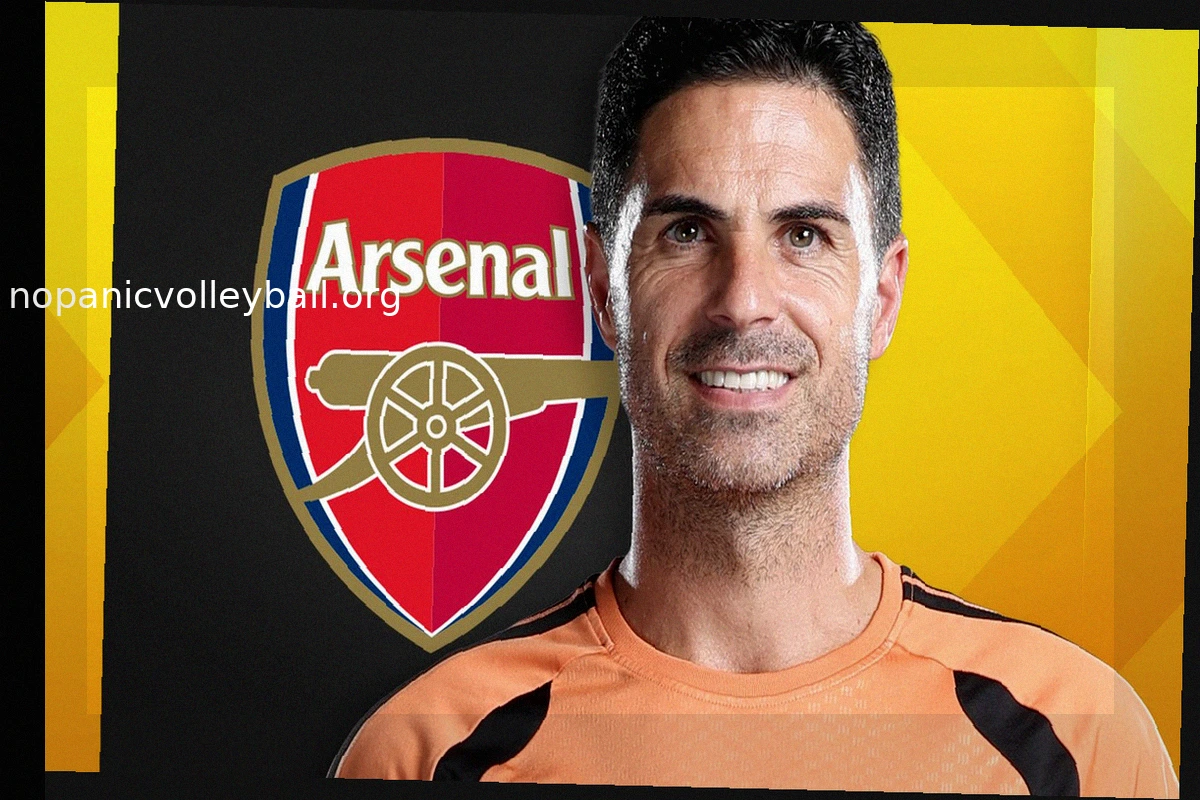
Arsenal Latest: Uncertainty Lingers Over Alvarez's Future
The future of Manchester City forward Julian Alvarez at the club remains a subject of speculation, with Arsenal reportedly among the potential suitors monitoring his situation. Despite a productive spell at City, where he has contributed significantly to their trophy-laden campaigns, rumors persist
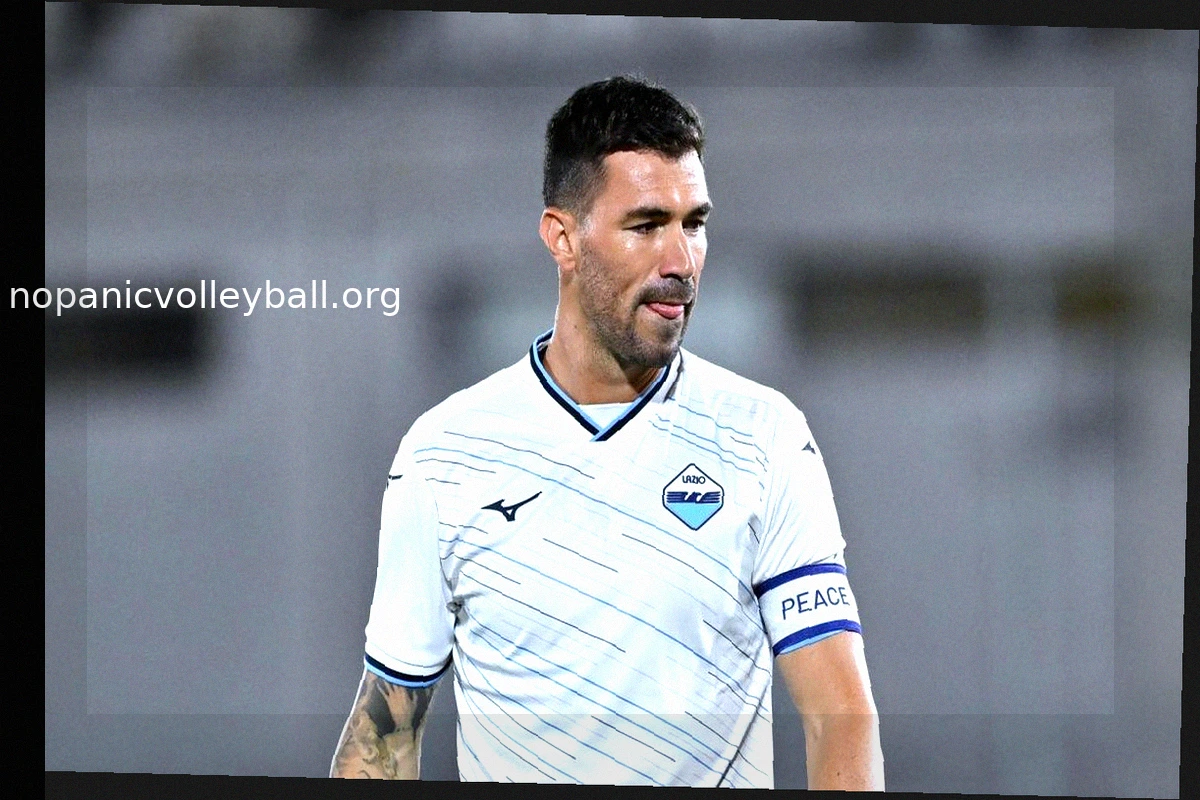
Romagnoli: Al Sadd, Atalanta, and Lazio's Rumors
There are ongoing discussions regarding Alessio Romagnoli's future. Reports suggest interest from Al Sadd, a Qatari club, as well as Serie A side Atalanta. However, the club has officially denied any involvement with a player named Zebic, though speculation persists.

Uber Introduces Real-Time Ride Monitoring for Parents via Driver's Selfie Camera
Uber is launching a new safety initiative that will allow parents to remotely monitor their teenage children's rides. This feature enables parents to view live video of their teen's journey through the driver's selfie camera. This innovative addition aims to provide parents with greater pea

Football on TV Today: August 31st Matches
Today, August 31st, marks a full day of football action, with not only Serie A's late fixtures but also La Liga, Arsenal facing Napoli, and Serie C games. Below is the complete broadcast schedule and where to watch today's matches on Monday, August 31st. Monday, August 31st -

France Emerges as a 'Poster Child' for Sovereign Debt Problems as Government Borrowing Costs Approach 2008 Highs
France's public finances are in a state of decline, and political gridlock is increasingly worrying bond investors. The cost of borrowing for the government is nearing levels not seen since the 2008 financial crisis, with another challenging budget negotiation on the horizon. As the Europ