

Перефразированный текст на русском языке:
Выставка под названием “Изобретая природу. Леонардо, Арчимбольдо, Караваджо”, проходившая в Палаццо Те в Мантуе, была посвящена глубокой взаимосвязи искусства и природы в XVI веке. Особое внимание уделялось развитию реалистичного изображения в живописи того периода. Кураторы, историк искусства Клаудия Чиери Виа и историк науки Паоло Галлуцци, разработали концепцию, которая прослеживала изменения в художественных и научных интерпретациях природы с XV по XVII век.
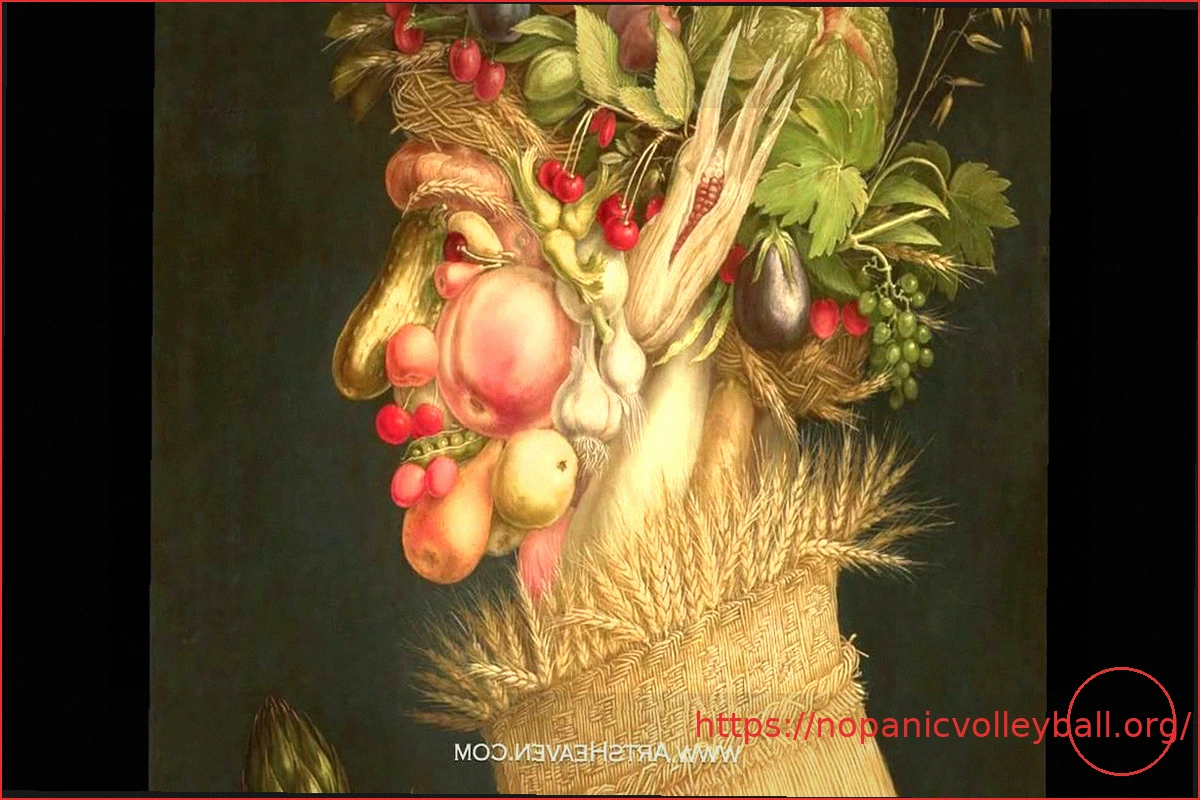
Экспозиция представила идею “второй природы” – той, что создана человеческим воображением и мастерством – через произведения таких выдающихся художников, как Леонардо да Винчи, Джузеппе Арчимбольдо и Караваджо. Основной акцент был сделан на художественных и научных экспериментах, которые привели к новому пониманию природного мира, охватывая спектр от миметического воспроизведения до творческой трансформации.
На выставке были представлены работы, исследующие различные грани природы: пейзажи, детальные ботанические портреты, символические натюрморты и сложные аллегории. Эти произведения вместе углубляли понимание взаимоотношений между человеком, его окружением, наукой и искусством, демонстрируя, как они формировали восприятие реальности.
Inventing Nature: Leonardo, Arcimboldo, Caravaggio – Exhibition Overview
The exhibition titled “Inventing Nature: Leonardo, Arcimboldo, Caravaggio,” held at Palazzo Te in Mantua, delved into the profound interconnection between art and nature during the 16th century. It particularly focused on the evolution of realistic depiction in painting during that period. Curated by art historian Claudia Cieri Via and science historian Paolo Galluzzi, the exhibition was conceived to trace the shifts in artistic and scientific interpretations of nature from the 15th to the 17th century.
The display explored the concept of “second nature”—that which is conceived and crafted by human imagination and skill—through a selection of works by celebrated artists such as Leonardo da Vinci, Giuseppe Arcimboldo, and Caravaggio. A central theme was the exploration of artistic and scientific experiments that led to a novel understanding of the natural world, spanning from mimetic reproduction to creative transformation.
Featured artworks explored various facets of nature, including landscapes, meticulous botanical portraits, symbolic still lifes, and intricate allegories. These pieces collectively deepened the understanding of the relationship between humanity, its environment, science, and art, demonstrating how these elements shaped the perception of reality.