South Korea Alarmed as Iran Dispute with Trump Tests 72-Year Alliance
```html
Seoul, South Korea – A directive concerning crucial joint military exercises arrived not through official diplomatic channels, but via a social media post, just hours before the annual South Korea-United States drills were scheduled to commence.
US President Donald Trump announced on his Truth Social platform his instruction to the Pentagon to "substantially reduce" the drills. He characterized these exercises as sending an "inappropriate and hostile" message to North Korea. Trump also pointedly noted that Seoul had not joined the US and Israel's military action against Iran.
This announcement caught South Korean officials by surprise, occurring on a national holiday. It triggered a flurry of activity in both Seoul and Washington, D.C.
The Pentagon stated it was "actively working on executing" the president's order. In Seoul, General Xavier Brunson, commander of US Forces Korea, met with Defense Minister Ahn Gyu-back. By Wednesday, the militaries had agreed to modify the exercise: it would be shortened from 11 days to five, with several field training drills also scaled back.
These developments have caused concern and frustration in Seoul, reviving discussions about the dependability of the security alliance that South Korea has relied upon since the Korean War (1950-53). The war concluded with an armistice, not a peace treaty.
The situation has also led to calls for Seoul to re-evaluate its stance on the US-Israel conflict in Iran.
'We Cannot Rely on Trump'
South Korean President Lee Jae Myung has attempted to project a sense of calm. He emphasized the continued importance of the US-South Korea alliance while also advocating for strengthened "self-reliant defense capabilities."
President Lee adopted a conciliatory tone towards Trump, suggesting the US president's decision was "deeply infused with deliberations" aimed at de-escalating tensions on the Korean Peninsula. He expressed "full empathy" for Trump's view that Seoul should take greater responsibility for its own security and indicated a willingness to discuss "practical contribution measures" to ensure freedom of navigation in the Strait of Hormuz, which Iran had previously blockaded.
In Parliament, Foreign Minister Cho Hyun informed concerned lawmakers that there had been no prior notification of the decision. "Neither our government nor US officials knew what President Trump wrote on his Truth Social," Cho stated. "We were not notified in advance."
Members of the National Assembly's defense committee were expected to release a formal response, though aides indicated the situation was too sensitive for immediate discussion.
Public reaction on social media ranged from disappointment to outright anger. Users expressed doubts about Trump's reliability, with one commenter stating, "The US prioritizes practical benefits over loyalty to allies." Another user described Trump's actions as unpredictable and destabilizing.
The Hankook Ilbo newspaper urged the public to confront the "stark reality of a faltering Korea-US alliance," deeming it "absurd that the US appears to treat North Korea more respectfully than its ally South Korea."
Conflict in Iran
Some voices called for a reassessment of Seoul's policy regarding the conflict in Iran.
President Trump had publicly criticized Seoul's position, questioning why South Korea, heavily guarded by US troops, would not assist in what he termed a "very easy military operation in Iran."
Opinion in South Korea is divided on the issue. A poll in late March indicated that while a significant portion of respondents favored supporting the US, a similar number preferred neutrality, and a smaller group favored opposing the US.
Jang Dong-hyeok, leader of the opposition People Power Party, criticized President Lee for declining Trump's request for assistance in Iran, calling it a "diplomatic disaster" that could "dismantle the South Korea-US alliance." He warned that Trump might even consider a complete withdrawal of US troops from South Korea.
The conservative newspaper JoongAng Ilbo argued that the Lee administration shared some responsibility, stating that an alliance requires a "reciprocal relationship." It urged the government to demonstrate its contributions through investments, trade, and support for navigation in the Strait of Hormuz.
Other editorials were more critical of Trump. The Korea Herald suggested that an alliance can endure disagreements but struggles when major security decisions are learned through social media. The paper speculated that Trump's gesture towards Pyongyang, preceding US midterm elections, might be an attempt to divert attention from the "protracted Iran war." It advised Seoul to respond without panic or complacency and to reduce its reliance on decisions made in Washington.
Denuclearization
For observers of Trump's first term, these events are not entirely unexpected. Following his 2018 summit with North Korean leader Kim Jong Un, Washington and Seoul suspended major joint exercises, a move that was later partially reversed when denuclearization talks between Washington and Pyongyang faltered.
Cha Du Hyeogn, vice president of the Asan Institute for Policy Studies, noted that Seoul can no longer assume predictability from Washington. He suggested that if South Korea does not fulfill the role expected of an ally, Washington might reconsider its security commitments. Unresolved trade negotiations, including South Korea's pledge to invest significantly in the US in exchange for tariff relief, may also be impacting the relationship.
Cha also highlighted the challenge for Trump concerning North Korea. He stated that denuclearization must remain a central issue in any negotiations, arguing that it would be difficult for the US to engage with North Korea without addressing its nuclear program, especially given Trump's stance on Iran's nuclear ambitions.
This situation has reignited a long-standing debate in South Korea about pursuing its own nuclear weapons.
Kim Jae Chun, a professor of international relations, observed that Trump's unilateral decision to scale back military exercises without prior consultation could be interpreted by South Koreans as a weakening of the US commitment to their security. He suggested that a further erosion of confidence could bolster the argument for South Korea to develop its own nuclear capabilities.
However, he cautioned against overreacting. Describing South Korea as a "junior partner" in the alliance, he said the country might have to "compromise some degree of autonomy in exchange for securing a more reliable US security commitment."
Many in Seoul still hope that a thaw in relations between Trump and Kim Jong Un could be "a first step toward a more stable peace regime on the Korean Peninsula."
Seoul, South Korea – An order concerning vital joint military exercises arrived not through conventional diplomatic channels, but via a social media post, mere hours before the annual South Korea-United States drills were slated to commence.
US President Donald Trump, posting on his Truth Social platform, declared his directive to the Pentagon to "substantially reduce" the drills. He characterized these exercises as conveying an "inappropriate and hostile" signal to North Korea. Trump also pointedly observed that Seoul had not joined the US and Israel's military operations in Iran.
This announcement caught South Korean officials off guard, falling on a public holiday celebrating the nation's liberation from Japanese colonial rule. It triggered a flurry of activity and concern in both Seoul and Washington, D.C.
The Pentagon issued a statement indicating it was "actively working on executing" the president's directive. In Seoul, General Xavier Brunson, commander of US Forces Korea, met with Defense Minister Ahn Gyu-back. By Wednesday, the two militaries had reached an agreement on the specifics: the exercise, already underway, would be shortened from 11 days to five, with the scope of several field training drills also scaled back.
These developments have ignited anxiety and anger in Seoul, reigniting a debate regarding the reliability of the security guarantee that South Korea has depended upon since the 1950-53 Korean War, which concluded with an armistice rather than a peace treaty.
The events have also prompted calls for Seoul to reconsider its position on the US-Israel conflict in Iran.
'We Cannot Rely on Trump'
South Korean President Lee Jae Myung has attempted to project an image of calm. Addressing his Cabinet, Lee stressed the continued essential nature of the US-South Korea alliance while also calling for the strengthening of the country's "self-reliant defense capabilities."
On Wednesday, he adopted a conciliatory tone towards Trump, describing the US president's decision as "deeply infused with deliberations" aimed at fostering an end to hostility on the Korean Peninsula. In a post on X, he stated he "fully empathizes" with Trump's perspective that Seoul must bear greater responsibility for its own security and signaled a willingness to discuss potential "practical contribution measures" to help restore freedom of navigation in the Strait of Hormuz, which Iran had previously blockaded.
In Parliament, Minister of Foreign Affairs Cho Hyun informed anxious lawmakers that there had been no prior notification of the move. "Neither our government nor US officials knew what President Trump wrote on his Truth Social," Cho stated. "We were not notified in advance."
Lawmakers on the National Assembly's defense committee were scheduled to issue a formal response, although aides told Al Jazeera that the atmosphere surrounding the issue was "too sensitive at the moment" for discussion.
Social media reactions ranged from frustration to open anger. One South Korean user, Kim Won-tak, wrote on Instagram, "We cannot rely on everything Trump says." Another user, Choi Min, commented, "The US prioritizes practical benefits over loyalty to allies. They do it to Europe as well. We cannot immediately shed our dependence on the US, but we should work towards self-reliance." Choi Joon-ho was more direct, writing that Trump "puts his allies in a bind with tariffs, starts wars himself, and then, when they drag on, demands that they get involved… He really seems unhinged."
The Hankook Ilbo, a prominent South Korean daily, called on the public to confront the "stark reality of a faltering Korea-US alliance." It added that it was "absurd that the US appears to treat North Korea more respectfully than its ally South Korea."
War on Iran
Others advocated for a re-evaluation of Seoul's policy concerning the conflict in Iran.
The US president had openly criticized Seoul on this matter. "Wait a minute," he stated at the Oval Office on Monday. "We have 39,000 soldiers over there, guarding you from Kim Jong Un, your next-door neighbor, and you're not going to help us on a very easy military operation in Iran? That's strange."
Public opinion in South Korea on the war is mixed. A poll conducted in late March by Hankook Research indicated that approximately 38 percent of respondents believed the government should "support the US," while 36 percent favored remaining neutral. About 16 percent stated that "we should oppose the US."
Jang Dong-hyeok, leader of the opposition People Power Party, criticized President Lee for declining Trump's request for assistance in Iran, accusing him in a Facebook post of causing a "diplomatic disaster" and "dismantling the South Korea-US alliance." Jang warned that the alliance could "unravel" and Trump "could even push for a full withdrawal" of US troops from South Korea.
In an editorial on Tuesday, the conservative JoongAng Ilbo argued that the Lee administration bore some responsibility, writing that an alliance "is not a one-sided favor but a reciprocal relationship." It urged the government to demonstrate its contributions, "from investment and trade commitments to support for navigation through the Strait of Hormuz."
Other editorials were more critical of Trump. The Korea Herald argued that an alliance "can survive disagreement" but is harder to sustain "when one side learns about a major security decision from social media." Its editorial board suggested that the gesture towards Pyongyang, occurring as US midterm elections approach, might be as much about shifting attention from "the protracted Iran war" as about security in the Korean Peninsula.
The paper urged Seoul to respond "without either panic or complacency" and to reduce its "vulnerabilities created by over-dependence on decisions made in Washington."
Denuclearization
For those who closely observed Trump's first term, much of this does not feel new. Following his 2018 summit with North Korean leader Kim Jong Un in Singapore, Washington and Seoul suspended that year's major joint exercise and scaled back several others. These moves were later partially reversed after the Washington-Pyongyang talks collapsed over denuclearization and sanctions relief.
Cha Du Hyeogn, vice president of the Asan Institute for Policy Studies, stated that the predictability Seoul has long expected from Washington can no longer be taken for granted. "If South Korea is not willing to play the role that the United States expects of an ally, Washington can also reconsider elements of its security commitment," Cha said. He added that unresolved trade negotiations, including a South Korean pledge to invest $350 billion in the US in return for tariff relief, may also be impacting the relationship.
Cha further highlighted the challenge ahead for Trump concerning North Korea. "If the US were seriously pursuing negotiations with North Korea, denuclearization would still have to be on the table," he said. "Given that Trump went to war with Iran over its nuclear ambitions, it would be difficult for the US to pursue talks with North Korea without addressing its nuclear program."
This episode has also revived a long-standing debate over whether South Korea should pursue its own nuclear weapons.
"Trump unilaterally deciding to scale back the joint military exercises without consulting the South Korean government can be perceived by South Koreans as a weakening of the US commitment to their security," said Kim Jae Chun, professor of international relations at Sogang University. "If that confidence deteriorates further, it could strengthen the argument in South Korea for self-nuclearisation."
However, he cautioned against "overreacting." Describing South Korea as a "junior partner" in the alliance, he said the country "may have to compromise some degree of autonomy in exchange for securing a more reliable US security commitment."
Many in Seoul, he added, still hope that a thaw between Trump and North Korea's Kim could prove to be "a first step toward a more stable peace regime on the Korean Peninsula."
Fresh materials — Volleyball (World)
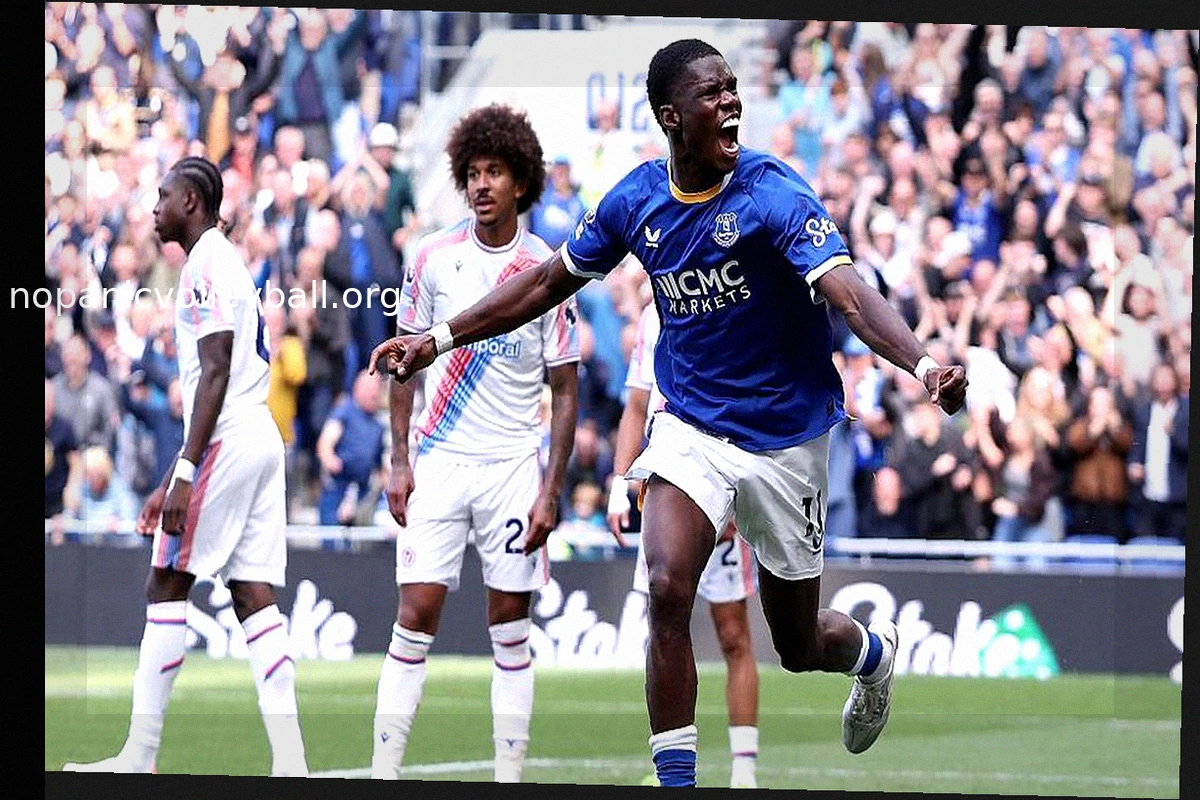
Is Barry Emerging as Everton's Reliable Striker?
When Barry transferred to Everton last summer, he joined a club with aspirations of a brighter future. In the preceding years, the Toffees had experienced a continuous cycle of managers, all grappling with relegation battles. Furthermore, Everton faced a points deduction for violating the Premi
Man Utd's Lack of Grit, Leeds' Rising Hopes, and Arsenal's Reinvigorated Attack
Hull City executed a superb tactical setup, employing a robust five-man defense that proved too much for Bryan Mbeumo and Matheus Cunha. Their wing-backs, Lewie Coyle and Ryan Giles, effectively supplied target man Oli McBurnie. However, the victory was more a testament to sheer grit and
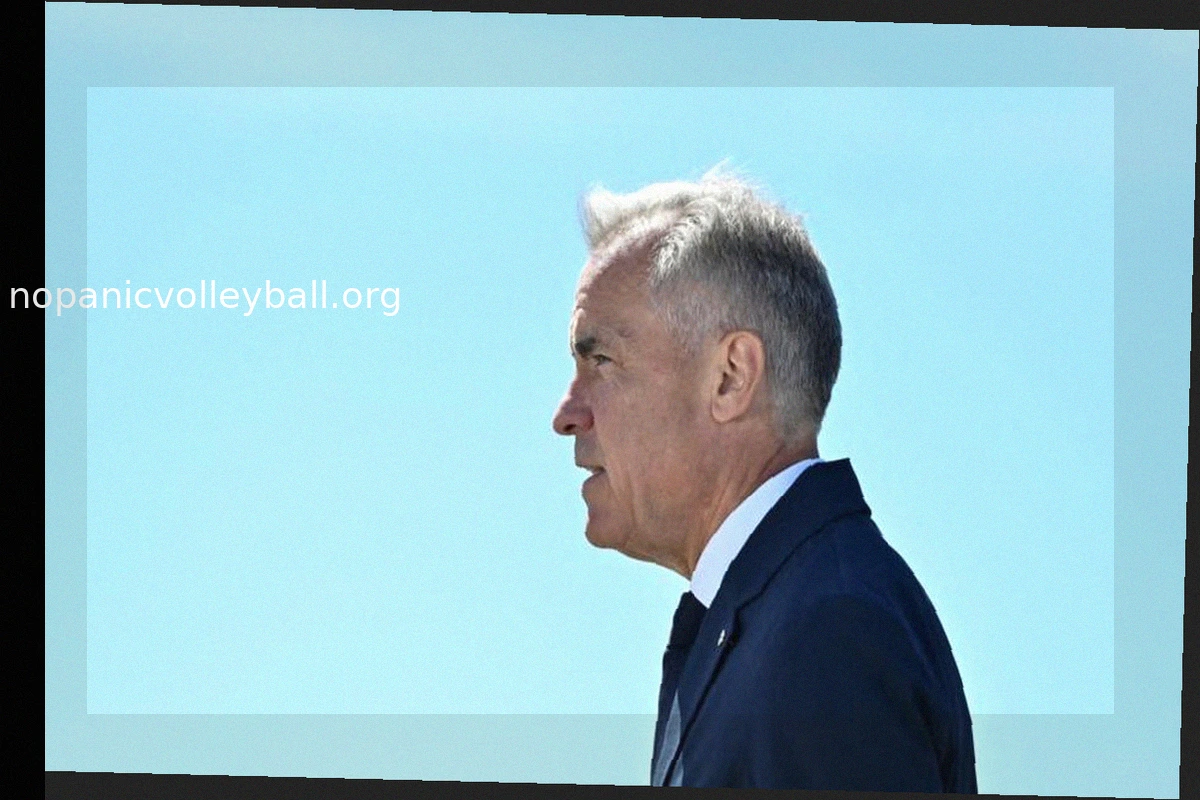
Carney Faces Critical Test After Rejecting Trump's Trade Deal
The United States and Canada are navigating unprecedented territory. Longtime allies and economic partners, who have benefited from decades of free trade, are now embroiled in an escalating trade dispute with no clear resolution in sight. For Prime Minister Mark Carney, the late-nigh

Canadian PM Calls Trump's New Tariffs a 'Miscalculation' After Trade Talks Collapse
Canadian Prime Minister Mark Carney has described a new round of US tariffs on Canada as a regrettable 'miscalculation' aimed at 'hurting and dividing us,' after trade discussions failed late on Friday. Carney stated that he refused to sign off on a deal because he was unwillin
Romance Was Born Spring 2026 Ready-to-Wear
Romance Was Born, despite stepping away from the traditional runway at Australian Fashion Week, continues to thrive. The Sydney-based brand, celebrating its 20th anniversary, has shifted its focus. Instead of their usual theatrical presentation, designers Luke Sales and Anna Plunkett c
Man Utd Agree £70m Deal for Brighton Midfielder Carlos Baleba
Manchester United have reached an agreement worth £70 million for Brighton's midfielder Carlos Baleba. The transfer includes a guaranteed £65 million, with an additional £5 million in potential add-ons. Brighton has also secured a sell-on clause as part of the deal. Baleba