Severe COVID-19 May Reactivate Dormant Viruses, Leading to Lasting Disability
A severe bout of COVID-19 has the potential to reawaken dormant viruses within the body, even in individuals with robust immune systems, according to recent research. The study identified Epstein-Barr virus (EBV), cytomegalovirus (CMV), herpes simplex virus (HSV), and anelloviruses among the viruses that can become active again. While anelloviruses are common and have not been definitively linked to human illness, their reactivation was associated with persistent physical disability in patients experiencing long COVID.
Published in the journal Nature, the findings suggest that these reactivated viruses may contribute to the inflammation that exacerbates COVID-19 and its long-term effects. "If our findings on Anelloviridae and long COVID are validated, then it would really create a lot of urgency around better understanding these viruses and developing antivirals for them," stated study co-author Dr. Esther Melamed.
The research followed 1,154 adults hospitalized with COVID-19 of varying severity for a year, analyzing blood, nasal swabs, and lung fluid samples. The tests detected viral RNA, indicating that these latent viruses were becoming active during and after SARS-CoV-2 infection. The reactivation was widespread, affecting nearly half of the participants, and occurred even in those with healthy immune systems.
Herpes family viruses (EBV, CMV, HSV) and anelloviruses showed reactivation, with EBV and anelloviruses appearing early and CMV and HSV later. Each virus was linked to specific immune and metabolic changes and clinical complications in patients. For those who developed long COVID symptoms, such as fatigue and difficulty with daily tasks, anelloviruses were more likely to remain active after the acute infection subsided.
The study acknowledges that while the presence of viral RNA signifies gene activation, it doesn't definitively prove the creation of infectious particles. However, the researchers provided additional evidence, including the detection of EBV RNA and antibodies, along with an increase in specific immune cells where the virus resides. The study's authors also noted that the link between viral reactivation and clinical outcomes is currently correlational, not causal.
"The next step is to do prospective interventional trials to test whether antiviral medications for these reactivating viruses could help improve outcomes for people," Melamed added, suggesting this approach for both severe COVID-19 and long COVID patients.
Fresh materials — Volleyball (World)
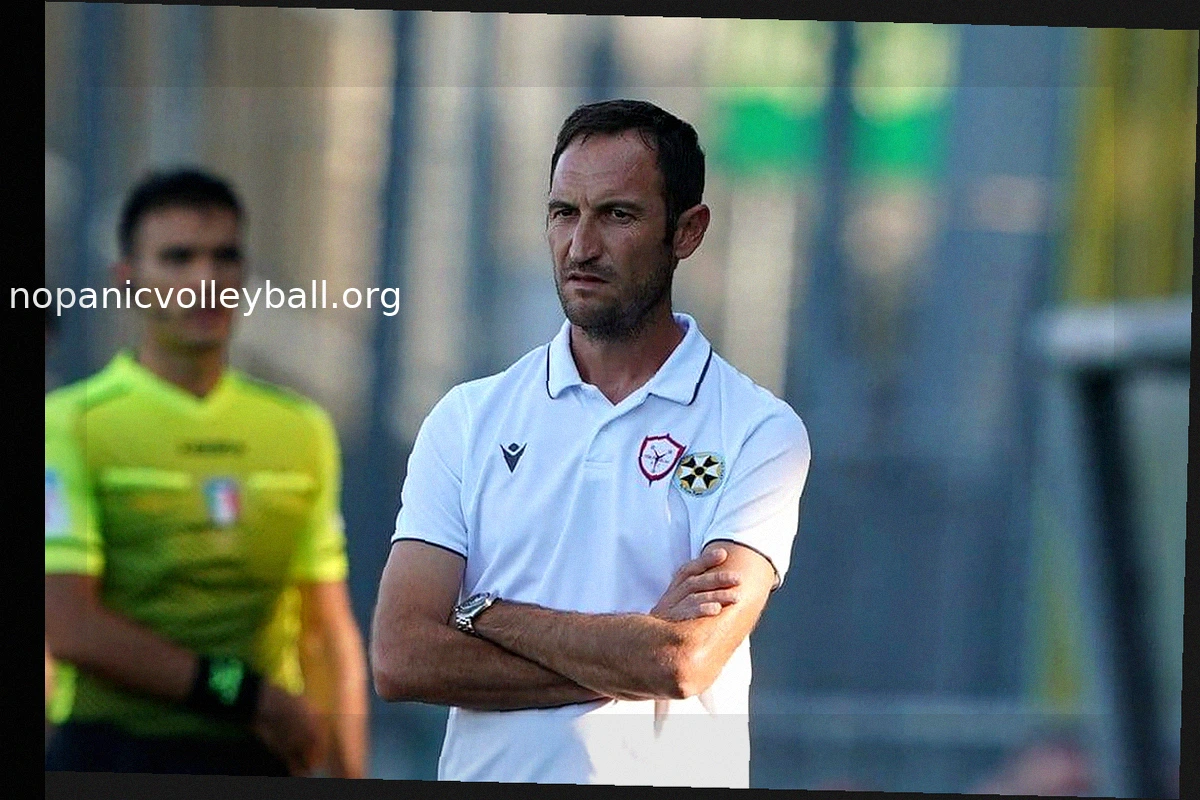
Ostiamare's David D'Antoni: "I'd Rather Score Points Than Receive Compliments"
Ostiamare's debut in Serie C concluded with a narrow defeat away at Perugia. Despite the loss, the Lido-based coach, David D'Antoni, expressed satisfaction with the team's performance. He commented, "There's a bit of a bitter taste, as we interpreted the game well, apart from the star
Serie B Opening Day: All Three Promoted Teams Lose Their First Match
The opening weekend of the 2026/2027 Serie B season, which kicked off on Friday evening and concluded on Sunday, August 23rd, has produced an unprecedented event. For the very first time in the league's history, all three teams that were relegated from Serie A have lost their opening m

Adani: "De Bruyne's foul is clear to anyone, Vasquez was taken down"
At Domenica Sportiva, former defender Lele Adani commented on the uncalled foul on De Bruyne which allowed Napoli to break the deadlock against Genoa. He questioned why Daniele De Rossi considered this situation different from others, stating, "It leaves no room for interpretation: it
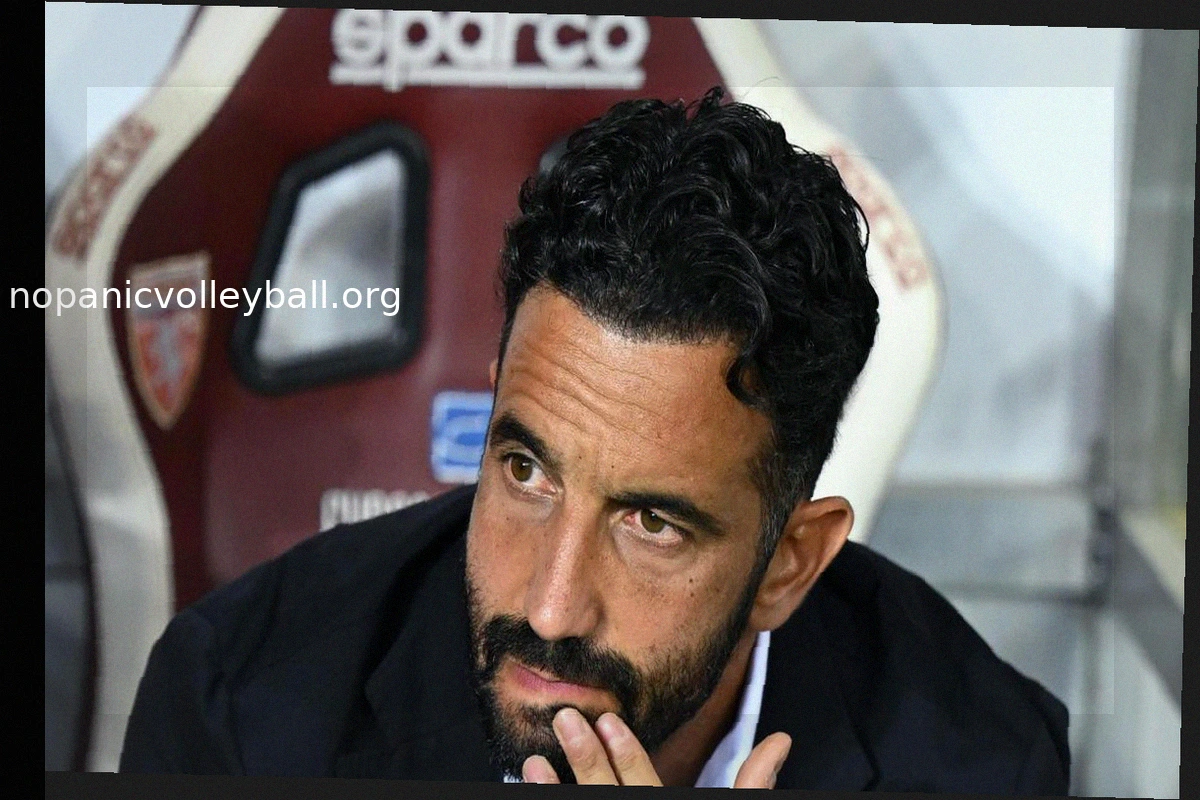
Amorim Explains: "I Didn't Know Cissé. For Me, Training Sessions Are Crucial for Understanding Who I'm Dealing With"
Following the victory against Torino, Ruben Amorim shared his admiration for Alphadjo Cissé, who scored Milan's first goal. Amorim, speaking to SportMediaset after the win, highlighted Cissé's talent, acknowledging that the team knows him even better. He admitted to gathering extensive informat
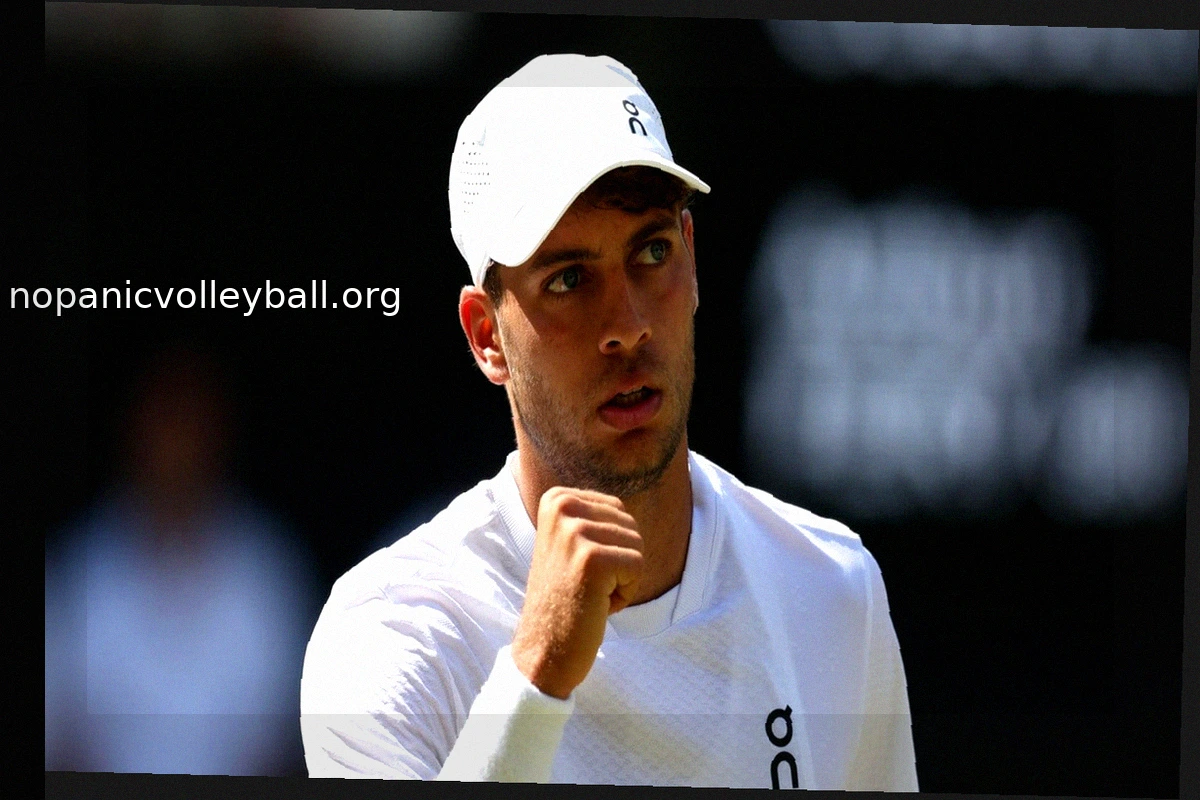
Sinner Leads ATP Rankings, Zverev Overtakes Alcaraz, Cobolli Reaches Record High
Flavio Cobolli has achieved a significant milestone, reaching the 6th position in the ATP rankings this week. This makes him the sixth Italian tennis player in history to reach such a high standing in the men's world rankings. Prior to 1973, only Nicola Pietrangeli, who was ra

Udinese: Zaniolo undergoing tests for muscular issue
Nicolò Zaniolo has raised concerns at Udinese. As reported by Messaggero Veneto, the 1999-born player was substituted in the 90th minute by Oier Zarraga due to a potential physical problem. Consequently, the club has scheduled diagnostic tests, which is standard procedure in such situations. An